Understanding Economic Sanctions and Export Control: Navigating Global Trade Restrictions
In an increasingly interconnected world, economic sanctions and export control lawyers have become crucial in navigating the landscape of international trade. These legal experts help businesses and individuals understand and comply with the complex regulations that govern the movement of goods, services, and financial transactions across borders. Economic sanctions are political and economic restrictions imposed by countries or international organizations against specific nations, entities, or individuals, often in response to political concerns, human rights violations, or threats to national security. Meanwhile, export controls are regulatory measures that governments implement to manage the transfer of sensitive technologies and information that could be used for military or terrorist purposes.

The importance of economic sanctions and export controls cannot be overstated, as they play a pivotal role in shaping international relations and trade dynamics. These measures aim to achieve foreign policy objectives without resorting to military intervention. By restricting a country’s ability to trade or access certain resources, sanctioning nations hope to influence the behavior of the targeted country. For businesses, however, these sanctions pose significant challenges. Understanding which jurisdictions are affected and the scope of restrictions is vital for compliance and risk management.
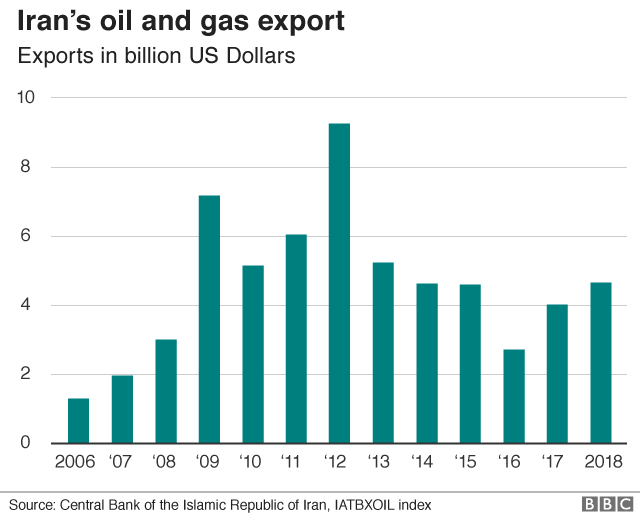
For instance, the U.S. has enacted numerous sanctions through the Office of Foreign Assets Control (OFAC), targeting countries like Iran, North Korea, and Russia, among others. These sanctions can involve asset freezes, trade prohibitions, and restrictions on financial transactions. The implications for U.S. businesses engaging in activities with sanctioned entities can be severe, including hefty fines and the possibility of losing the ability to operate in certain markets.
On the other hand, EU sanctions also introduce a complex layer of regulations that businesses must navigate. The European Union implements sanctions to promote peace, security, and human rights, often aligning its measures with those of the United Nations. However, compliance can be convoluted, as EU regulations may differ from those of the U.S., leading to potential legal conflicts when companies operate transnationally.
Export controls, like sanctions, are another critical area where legal expertise is necessary. These laws regulate the transfer of sensitive goods, technologies, and information, aiming to prevent them from falling into the wrong hands, particularly in the context of national security and non-proliferation. In the U.S., the Export Administration Regulations (EAR) and the International Traffic in Arms Regulations (ITAR) play central roles in governing these controls. Companies often face dilemmas when determining whether their products or services fall under these regulations and how to navigate the application process for licenses.
The intersection of economic sanctions and export controls creates a challenging environment for corporations, as failing to comply with these regulations can result in severe penalties, including fines, export denial,
and even criminal charges. As such, businesses are increasingly relying on the guidance of legal professionals who specialize in these areas.
Moreover, the global landscape is continually evolving, with sanctions and export controls being updated or enforced in response to geopolitical events. For instance, sanctions related to conflicts, such as those imposed on Russia following its actions in Ukraine, serve as a reminder of the dynamic nature of these regulations. Companies need to stay informed about these changes and adjust their practices accordingly.
In conclusion, the role of economic sanctions and export control in international trade is significant, impacting businesses across various sectors. Companies must be proactive in understanding and complying with these regulations to mitigate risks and avoid consequences. As the global political landscape shifts, seeking assistance from experienced legal professionals will be essential for navigating this intricate web of trade restrictions. The growing complexity of sanctions and export controls underscores the necessity for businesses to incorporate compliance into their strategy, ensuring they maintain their reputation and operational integrity in the global market.