The B2B wholesale market in Turkey has seen considerable growth over the past few years, primarily due to the country’s strategic location and robust manufacturing capabilities. Platforms such as B2B platform Turkey wholesale turanline.com have emerged as key players in connecting buyers and sellers, enhancing trade relationships, and providing a straightforward user experience. This article delves into the emerging trends, benefits, and dynamics associated with B2B wholesale platforms in Turkey.
Turkey is positioned at the crossroads of Europe and Asia, making it a unique hub for international trade. The country boasts a diverse economy with a strong focus on manufacturing, textiles, machinery, and food products. As businesses worldwide are looking to diversify their sourcing options, Turkey has quickly become an attractive destination for wholesale trade. This is where B2B platforms come into play, facilitating seamless transactions between buyers and suppliers.
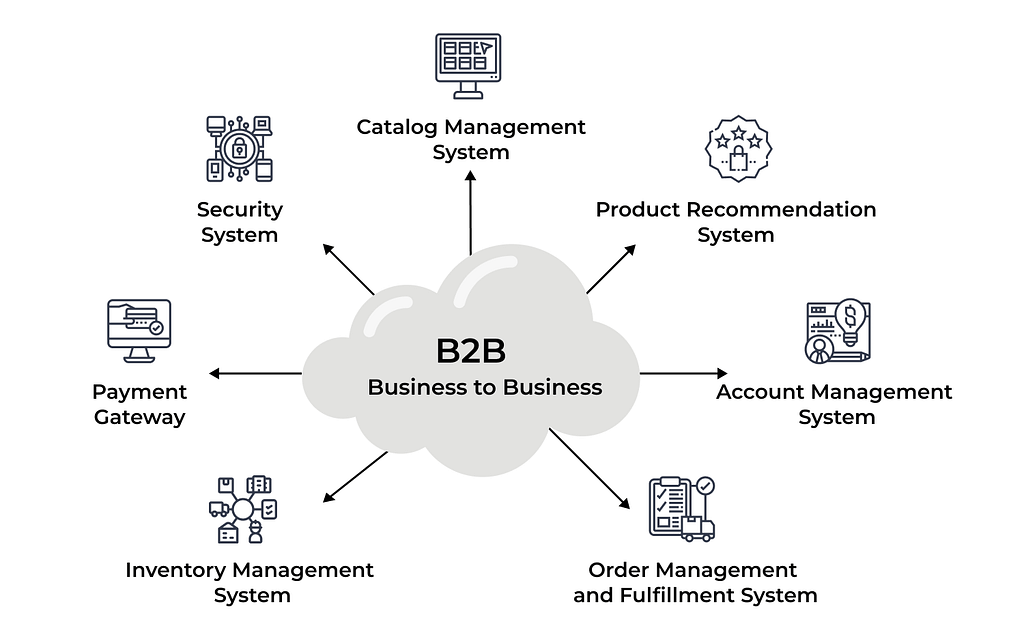
Understanding B2B Platforms
A B2B platform acts as a marketplace where businesses can connect, negotiate, and conduct transactions. These platforms typically offer various features such as product listings, payment processing, and communication tools, allowing companies to mana

ge their orders and relationships effectively. One of the key advantages of such platforms is their ability to simplify sourcing processes, especially for international buyers who might not have established relationships with Turkish suppliers.
The Role of Technology in B2B Trade
Technology plays a critical role in enhancing the efficiency and effectiveness of B2B platforms. With advancements in digital communication, mobile applications, and data analytics, buyers and sellers can now interact in real time, making informed decisions quickly. The incorporation of artificial intelligence and machine learning algorithms allows platforms to offer personalized recommendations, optimizing the user experience. As a result, businesses can find the best suppliers and products more efficiently, ensuring that they remain competitive in the global marketplace.
Benefits of Using B2B Platforms in Turkey
- Wide Product Range: Turkish manufacturers produce a vast array of products, from textiles to machinery. B2B platforms enable buyers to explore a diverse range of options, making it easier to find the right products for their needs.
- Access to Suppliers: Many businesses struggle to connect with reliable suppliers. B2B platforms bridge this gap by providing a transparent marketplace where buyers can review supplier ratings, read testimonials, and assess the credibility of sellers.
- Cost Efficiency: Using a B2B platform can lead to significant cost savings for businesses. By reducing the need for intermediaries or agents, platforms can help buyers negotiate better prices directly with manufacturers.
- Global Reach: B2B platforms extend the reach of Turkish manufacturers to international markets. Companies can showcase their products to a global audience, thus increasing their chances of finding buyers.
Challenges Faced by B2B Platforms
Despite their many advantages, B2B platforms in Turkey also face challenges that can hinder their growth and effectiveness. One significant challenge is ensuring product quality and trustworthiness. Many buyers are wary of making purchases from unknown suppliers, which can lead to reluctance in trying new platforms. To counteract this, platforms must implement robust verification processes to ensure that only reputable suppliers are allowed to list their products.
Another challenge is logistics and shipping. While B2B platforms can facilitate transactions, they often do not control the logistics involved in delivering products from suppliers to buyers. Thus, issues such as shipping delays or damaged goods can arise, affecting buyer satisfaction. Partnerships with reliable logistics companies can help mitigate this issue.
Popular B2B Platforms in Turkey
Several platforms have established themselves as leaders in the Turkish B2B market. Some of the most notable include:
- Turanline: A key player in Turkish B2B wholesale trade, offering a diverse range of products and connecting businesses with reliable suppliers.
- Alibaba: Although a global platform, Alibaba has a significant presence in Turkey, connecting local businesses with international manufacturers.
- TradeKey: This platform specializes in connecting exporters and importers, offering an array of Turkish products to global buyers.
Future Trends in B2B Wholesale Platforms
The future of B2B platforms in Turkey looks promising, driven by the increasing digitization of trade processes and growing international interest in Turkish products. Here are a few trends to watch:
- Increased Automation: With advancements in technology, platforms will likely automate more processes, from order fulfillment to customer relationship management.
- Enhanced Mobile Accessibility: As mobile commerce continues to rise, B2B platforms will focus on creating user-friendly mobile applications to cater to the increasing number of users who prefer shopping via their smartphones.
- Sustainability Initiatives: Wholesale platforms are increasingly prioritizing sustainable practices, showcasing suppliers that adhere to environmentally friendly practices, as more businesses strive to meet eco-conscious consumer demands.
- Data-Driven Decision Making: Utilization of big data and analytics will enable businesses to better understand market dynamics and buyer behavior, leading to more informed decision-making processes.
In conclusion, Turkey’s B2B wholesale platforms play a crucial role in facilitating trade and fostering connections between businesses around the globe. As companies look to diversify their supply chains, platforms like turanline.com are positioned to attract a growing number of users looking for reliable suppliers and innovative products. Despite challenges, the future of these platforms is bright, with technology driving changes that will enhance user experience and expand their global reach. By leveraging these platforms, businesses can navigate the complex landscape of international trade more efficiently and effectively.