The Allure of Casino Games
The world of casino games is captivating, drawing millions of players into its enticing realm. This allure stems from a combination of psychological factors, including excitement, social interaction, and the dopamine rush associated with potential winnings. Gamblers often experience a heightened sense of arousal and pleasure, especially when they engage in games that offer a chance of significant monetary rewards. Interestingly, many players seek opportunities like no verification live casino experiences to enhance their thrills. The thrill of winning can create a powerful feedback loop, encouraging players to return time and again, even when the odds are stacked against them.
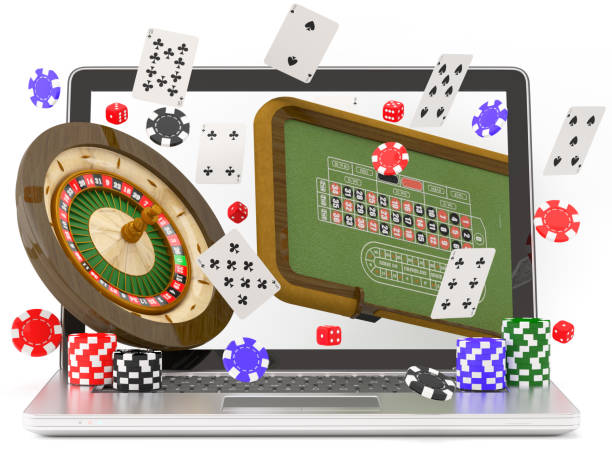
Moreover, the social environment of casinos enhances this attraction. Many individuals enjoy the communal aspect of gambling, sharing experiences with friends or strangers. This sense of camaraderie can amplify the excitement, further leading to a craving for more gaming experiences. As players engage in these activities, their brain chemistry may shift, reinforcing the desire to gamble despite any negative consequences.
The Role of Cognitive Biases
Cognitive biases play a significant role in the development of casino game addiction. Gamblers often fall prey to the illusion of control, where they believe they can influence the outcome of games of chance through skill or intuition. This misconception can lead to persistent gambling behavior, as individuals may attribute their losses to bad luck rather than recognizing the inherent randomness of the games.
Additionally, the gambler’s fallacy—believing that past events influence future probabilities—can exacerbate the problem. For example, players may think that after a series of losses, a win is «due» and continue gambling in hopes of recouping their losses. This distorted thinking reinforces the addictive cycle, leading players deeper into their reliance on gambling as a source of entertainment and stress relief.
The Emotional Impact of Gambling
Emotional factors are crucial in understanding casino game addiction. Many people turn to gambling as a coping mechanism for stress, anxiety, or depression, seeking an escape from their problems. The temporary high associated with winning can provide a brief respite from negative emotions, making gambling an appealing option for those struggling with mental health issues.
However, this reliance on gambling as an emotional outlet can lead to detrimental consequences. As individuals chase elusive wins, they may experience a range of negative emotions, including guilt, shame, and despair when reality sets in. This cycle of highs and lows can create a dangerous emotional dependency on gambling, making it increasingly difficult for individuals to break free from the addiction.
Understanding Withdrawal and Relapse
Withdrawal symptoms can significantly impact individuals trying to overcome casino game addiction. Just like with substance dependencies, those who have developed a gambling addiction may experience irritability, anxiety, and restlessness when they attempt to stop. These symptoms can drive them back to gambling as a means of alleviating discomfort, perpetuating a cycle of addiction.
Moreover, the risk of relapse remains high even after a period of abstinence. Triggers such as exposure to gambling environments, social pressures, or emotional distress can reignite cravings, leading individuals to return to their old habits. Understanding these triggers is essential for developing effective strategies for recovery and preventing relapse in those seeking to break free from addiction.

Prioritizing Security in the Gambling Environment
As discussions around casino game addiction grow, it’s important to highlight the role of security in the gambling environment. With advancements in technology, many online gambling platforms prioritize the safety and protection of their users. Websites dedicated to responsible gambling emphasize secure access and provide essential measures to protect players from online threats, which is crucial in these times.
For individuals grappling with addiction, ensuring a safe online experience is crucial. It not only protects users from potential phishing scams and data breaches but also creates an environment where players can make informed decisions about their gaming habits. Organizations and platforms that prioritize user security contribute significantly to fostering responsible gambling practices, ultimately benefiting the overall well-being of players.